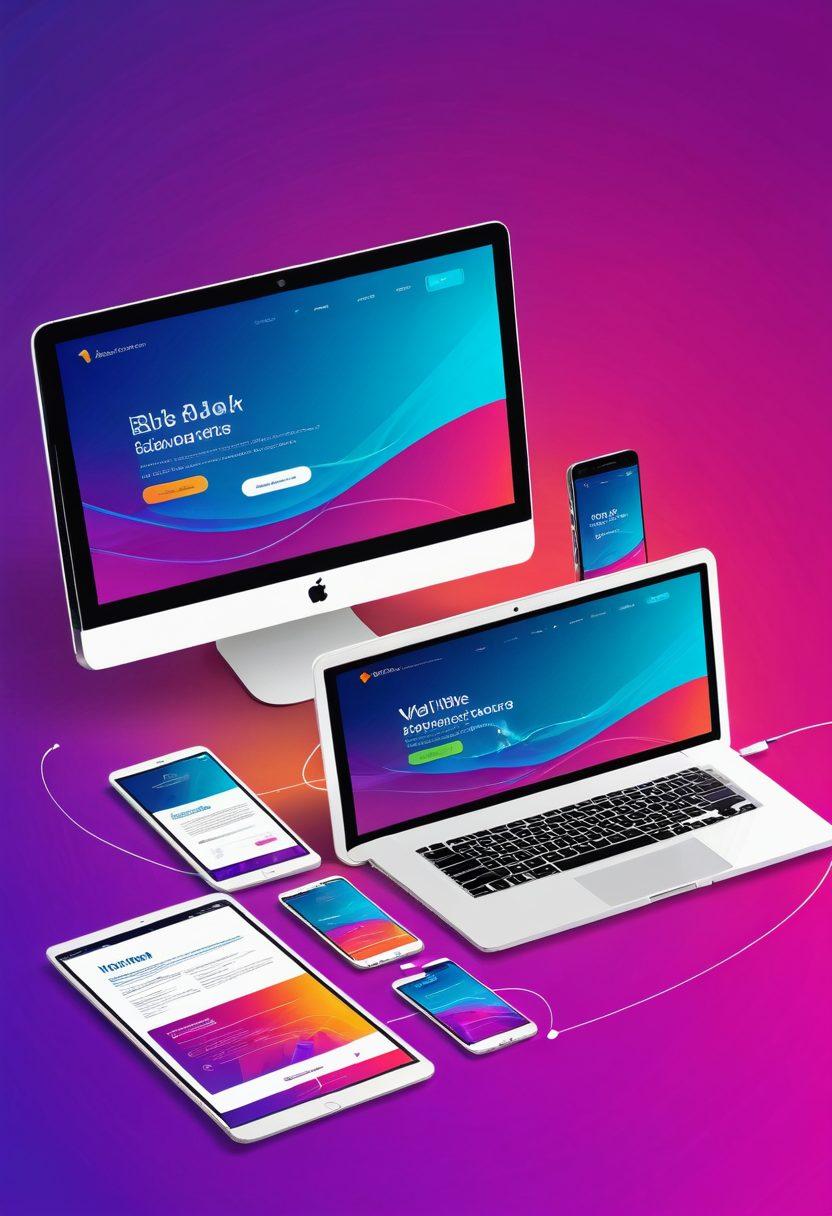
The Ultimate Guide to Crafting a Successful Online Presence: Expert Web Development Tips and Tricks
In an age where your first impression often occurs online, mastering web design is essential for establishing a standout online presence. But what does it take to truly shine in the vast digital landscape? Whether you're diving into web development for the first time or looking to refine your skills, understanding the core strategies behind effective web design can make all the difference. A captivating, user-friendly website isn't just a digital storefront; it's the embodiment of your brand's identity, drawing in visitors and converting them into loyal customers. Ready to make your mark? Let's delve into the remarkable world of web design and uncover the secrets to creating an unforgettable online presence.
Strategic web design goes far beyond aesthetics. While a visually appealing site can grab attention, it’s the seamless integration of functionality and UX/UI design that keeps users engaged. Ever found yourself frustrated with a slow, clunky site or one that isn't mobile-friendly? The frustration is real, and it often leads to higher bounce rates. Ensuring a responsive design, which adapts smoothly across devices, is crucial in today's mobile-centric world. Also, a well-thought-out user experience can guide your visitors effortlessly through your web applications, from the initial landing page to the final click of a purchase button. Remember, effective website building is about crafting an intuitive path for your users, making their journey as enjoyable and straightforward as possible.
Content might be king, but without solid SEO optimization, even the best content can go unnoticed. Think about the power of SEO strategies: they are the bridge between your website and the audience searching for the digital solutions you provide. Keywords play a crucial role here. By embedding relevant terms like 'web development', 'frontend development', and 'website security', you enhance your site's visibility on search engines, driving organic traffic your way. Don't forget about the behind-the-scenes work, either. Backend development ensures your website runs smoothly, with secure and efficient server-side operations supporting the frontend features your users love.
Staying current with e-commerce solutions and interactive websites can significantly broaden your appeal. For businesses, integrating e-commerce capabilities means making your products and services easily accessible—which is a game-changer. But it's not just about adding a shopping cart; it's about creating a seamless and enjoyable shopping experience. Consider user experience enhancements like personalized product recommendations, live chat support, and streamlined checkout processes. Social media integration can also extend your reach, allowing for a cohesive brand experience across multiple platforms. Plus, a robust content management system makes it easier to keep your website fresh and engaging, without needing to dive deep into the technicalities each time you post new content.
Finally, web hosting and web maintenance are critical areas often overlooked in discussions of web design. Imagine building the perfect custom web solution, only for it to suffer from frequent downtimes or sluggish performance. Reliable web hosting ensures that your site remains accessible and performs well, while regular web maintenance can identify and fix issues before they impact your users. Moreover, as your online presence grows, so should your attention to website security. Data breaches can tarnish your reputation and erode trust, so implementing strong security measures is non-negotiable. By mastering these aspects of web design, you're not just building a website; you're creating a resilient, dynamic, and compelling online presence that stands out in the crowded digital sphere.
From Backend to Frontend: Comprehensive Tips for Full-Stack Web Development
In the realm of web development, success can feel elusive, but a strong online presence hinges on mastering both backend and frontend aspects. Imagine working tirelessly on a website only to see it garner little traffic or engagement. Frustrating, isn’t it? Don’t worry! We’re here to guide you through essential tips and tricks for full-stack development that can turn your digital dreams into reality. From UX/UI design to robust backend setups, let's dive deep into the intricate world of web services to craft stellar web applications.
Frontend development often captures attention with its visual appeal, but don't be fooled – there's a complex orchestra playing behind the curtain. Creating a responsive design isn’t just a tick on your checklist; it’s critical for enhancing user experience and ensuring your site functions smoothly on multiple devices. Consider this: 52% of website traffic in 2021 came from mobile devices. Therefore, it’s imperative to integrate mobile-friendly design elements to keep users engaged on their phones and tablets. Through consistent UX/UI design, you can foster an interactive website that not only looks good but works brilliantly.
When we pivot to the backend, solid foundations become the unsung heroes of digital solutions. Think of backend development as the backstage crew in a theatrical performance, ensuring everything runs seamlessly. Effective web hosting and domain registration are the building blocks of any reliable website. Pair these with robust content management systems for easy updates and a web maintenance plan to keep your site glitch-free. Developing a secure, scalable infrastructure helps pave the way for custom web solutions and e-commerce functionalities, catering to the ever-evolving needs of your audience.
SEO optimization and social media integration are your marketing maestros, amplifying your website's reach. The best-designed website is futile if it’s buried under search engine results. Employ SEO strategies to enhance your site’s visibility, and don’t underestimate the power of social media. Integrating your website with social platforms can skyrocket user engagement and drive traffic. Web analytics tools are essential for fine-tuning these efforts by providing data-driven insights into your user behavior. Using these tools, you’re not flying blind but adjusting your sails based on tangible user data.
Finally, let’s not forget the importance of web consulting and security. Your online presence doesn't end at the deployment of your site; it’s a continuous journey. Regular web analytics can offer invaluable insights into what's working and what needs revamping. Consulting with experts can provide fresh perspectives and innovative ideas for your next website redesign. On the security front, measures like SSL certificates, regular updates, and backups are indispensable. These steps protect not only your data but also your users, ensuring a safe interactive space. Ultimately, combining backend resilience with frontend allure paves the way for a successful full-stack web development adventure.
Optimizing User Experience: Essential Practices for Responsive and Mobile-Friendly Websites
In an era dominated by smartphones and tablets, ensuring your website provides a seamless user experience across all devices is no longer optional—it's essential. Optimizing user experience isn't just about looking good; it's about delivering functionality that your audience craves. Whether you're delving into web development or tasked with a website redesign, incorporating responsive and mobile-friendly design practices is paramount to building an impactful online presence.
Imagine visiting a website that takes ages to load, or worse, features tiny text and buttons on your mobile screen that you can't even click! Frustrating, right? According to studies, 74% of users are more likely to return to mobile-friendly sites, while 52% indicated they'd abandon a website with poor mobile optimization. This isn't just a slight inconvenience; it's a deal-breaker. In the realm of web applications and digital solutions, the adage 'First impressions last' holds particularly true.
Responsive design anticipates user needs and adjusts accordingly, making it a vital aspect of web design. It employs flexible layouts, images, and CSS media queries to mold websites seamlessly across various devices. Whether you're into frontend development or full-stack development, understanding the principles of responsive design is crucial. Think of it as tailoring a suit that fits perfectly regardless of body shape or size. In this context, every device becomes an eligible 'body,' whether it's a smartphone, tablet, or desktop computer.
Mobile-friendly design goes hand-in-hand with responsive design but with added specificity. It includes aspects like touch-friendly navigation, fast load times, and optimizing images for mobile view. When embarking on custom web solutions or interactive websites, keep in mind that mobile UX/UI design isn't a mere extension but a core component. Don’t underestimate the value of detailed web analytics to identify user behavior and tailor your site to their habits. For instance, tracking which buttons get the most taps can inform better design choices.
Remember, the goal isn't just to make a website 'work' on mobile; it's about creating an enjoyable and intuitive experience. Whether you’re focused on web consulting for e-commerce solutions or developing robust web services, prioritizing mobile-friendly design will set you apart. Tools like content management systems, web hosting, and API development are your allies in this mission. Investing in domain registration and web maintenance ensures that your site remains not just online, but thriving, adaptable, and secure. Ultimately, responsive design, combined with mobile optimization, forms the bedrock of a strong online presence.